

Myth or Fact: The USDA Food Pyramid Offers Good Guidance.
Myth: When It comes to U.S. foods, butter and fat are bad for you.
Fact: This is what the U.S. Government food pyramid of 1992 said. But they were wrong. Today we know that the food pyramid was not only misinformed, but that following it can actually be harmful and often does contribute to an unhealthy diet.
In other words, the pyramid has it all wrong. For example, it has grains, bread, pasta, rice, and potatoes as the most important food group, at the bottom. These are the foods that should make up the bulk of what we eat. But, they are actually some of the most addicting, least healthy foods on the pyramid.

We get bad advice from our doctors on this issue too, who also tell us to eat more grains. Generally speaking, the USDA Food Pyramid makes no sense. It starts with the assumption that we should eat far more of one food group than any of the other food groups. Turns out that’s not really true. In fact, from my point of view, we should eat equal amounts of most of the food groups.
How exactly did the government get something so crucial to the everyday life of the American people so wrong? First, we have to understand what was at issue at that time. Underlying the recommendations was the fact that most of the people in the US who were undernourished had low incomes. In other words, they needed more nutrition, but the calories had to be raised without raising the cost. The only question then was, what is the best way to get the most caloric bang for your buck? Carbs, of course. From here we ended up with way too many carbs and, perhaps even worse, the glorification of a “low-fat” diet.
Myth: The “grain” at the bottom of the pyramid was based upon international studies attesting to the health benefits of eating whole grains.
Fact: According to many researchers on this topic, the reason the base of the pyramid was a “grain” was heavily influenced by lobbying efforts from the grain industry. What a surprise, a special interest group in the U.S. adversely affecting consumers.
The types of grains suggested by the pyramid were also a problem. The pyramid didn’t emphasize whole grains, but instead encouraged the intake of refined grains like bread and cereal. Anything refined is going to be more fattening than the same thing unrefined and don’t get me started on how much sugar is in your cereal box.
Myth: The food pyramid did a good job of simplifying complicated nutrition related issues.
Fact: The pyramid caused a lot of confusion and still does today. The takeaway of the USDA Food Pyramid for the American public was that they began to equate “low-fat” with “healthy” and that, of course, just isn’t true. Fat is good for you and absolutely essential. In addition to which, fat is not fattening. You do not gain weight by eating fat. That’s why Keto is so effective even though it is 75% fat. You gain weight by eating sugar and/or foods that raise your blood sugar levels.
To be clear, even if you combine good fat with too much sugar, you will gain weight. But good fats are not the problem. Sugar, simple carbs, and highly processed foods that convert to or raise blood sugar, are the problem, not the good fats.
Unfortunately, the USDA Food Guide Pyramid, in encouraging Americans to prioritize consuming any and all carbohydrates, ended up triggering diets dominated by unnecessary calories, sugar, and starches. Another way to frame this is that when you take the fat out, which is what makes food taste good, you put sugar in to compensate and that’s what we do, especially when it comes to processed foods. Huge mistake.
Yet another problem for the USDA Food Guide Pyramid, was what was meant by a serving. Turns out there was a booklet that accompanied the pyramid to define what was meant by a serving. (Did you know there was a booklet? I didn’t know there was a booklet. Where has this booklet been all these years?) According to the accompanying booklet, that no one knew actually existed, (and that isn’t all that helpful) a single bagel—which most of us would consider a serving of grain—actually weighs in at somewhere between six and 11 servings. What? This according to the publishers of the pyramid guide booklet.
Yup. The Food Guide Pyramid that was introduced by the United States Department of Agriculture (USDA) in 1992 included six blocks. It was set up with a “base” of grains and carbohydrates (6–11 servings of bread, rice, pasta, etc.), followed by the fruit (2–4 servings) and vegetables (3–5 servings), then the dairy group (2–3 servings), and the protein group, including meat, eggs, nuts, and beans (2–3 servings), and was topped off, of course, by the fats group at the peak of the pyramid. Given how far off the beaten path their definition of a serving is, it is really hard to know what or how much one is supposed to be eating in any of these categories.
Finally, the pyramid, with its base of carbs, didn’t differentiate between the various types of carbohydrates, including simple, complex, or processed. Again, what? Like they thought all carbs are equal?
To be clear, all carbs are not the same. The food pyramid did not make that distinction either. Given how egregious the problems are with the US Food Guide Pyramid it is surprising how many new food pyramids we have today that apparently follow some of the same principals. (Or at least they think they are following the same principals.)
Obviously, I take issue with these assumptions. I think we need a variety of foods and food groups to be healthy. Although I gravitate towards a “Mediterranean” diet, which includes fruits and vegetables, grains, fats and proteins from a variety of sources, I don’t see one of these groups as being dramatically more important than the others. As far as I am concerned, we need them all. So, I am not presenting my own food pyramid.
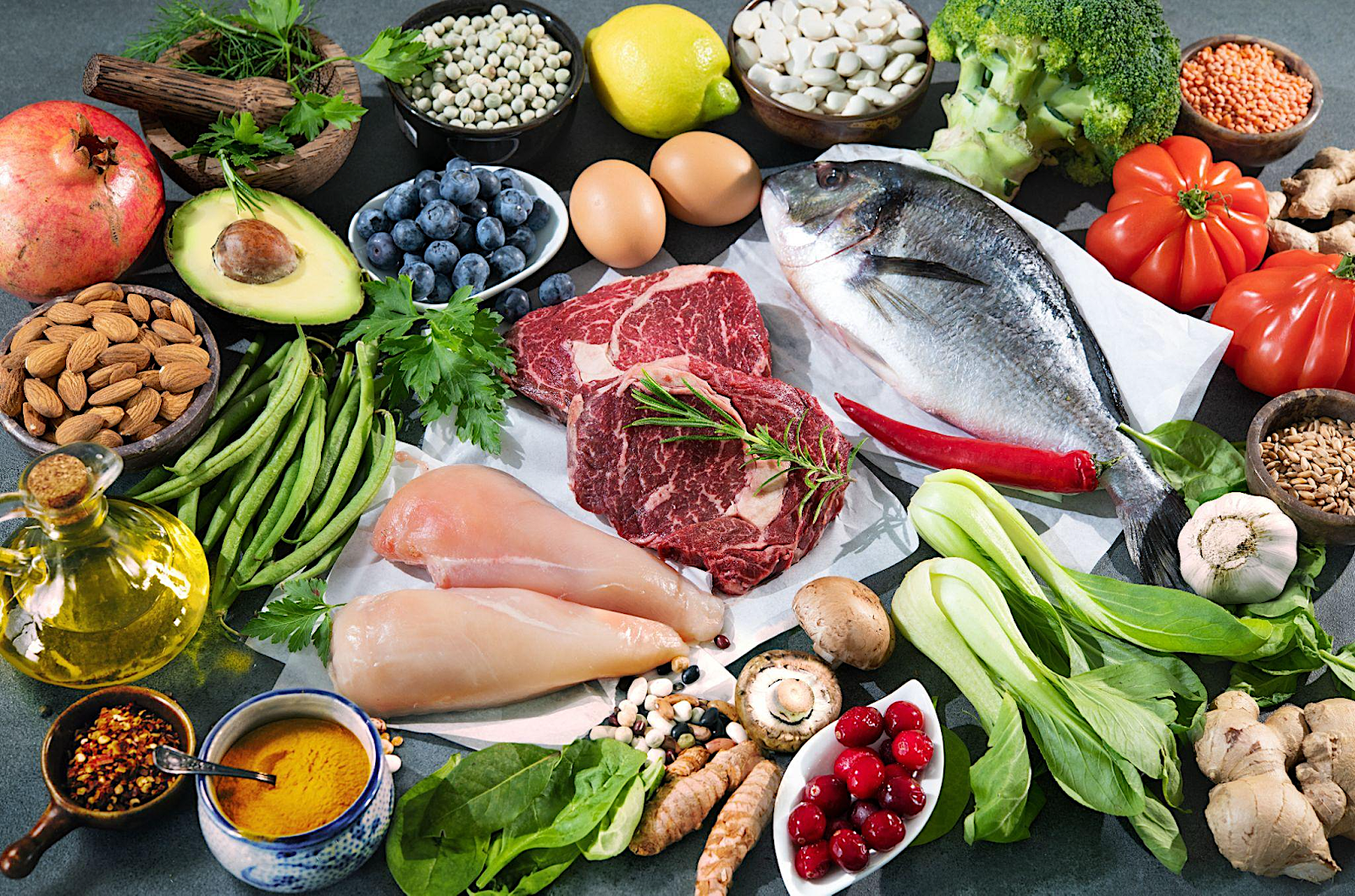
Here is a better way to think about your priorities when eating. Eat lots of 100% grass-fed meat, wild-caught fish, organic fruits and vegetables, healthy fats, organic and fermented grains, nuts, and seeds. Avoid processed food whenever possible and go for raw grass-fed dairy, when available.
Dr N’s Clean Food Non-Pyramid

4 Comments
theorangedip
Somebody essentially lend a hand to make significantly posts I might state That is the very first time I frequented your web page and up to now I surprised with the research you made to create this particular put up amazing Excellent job
celebio
Normally I do not read article on blogs however I would like to say that this writeup very forced me to try and do so Your writing style has been amazed me Thanks quite great post
exploreuaeonline
Its like you read my mind You appear to know so much about this like you wrote the book in it or something I think that you can do with a few pics to drive the message home a little bit but instead of that this is excellent blog A fantastic read Ill certainly be back
iptvfree trial
Excellent blog here Also your website loads up very fast What web host are you using Can I get your affiliate link to your host I wish my web site loaded up as quickly as yours lol