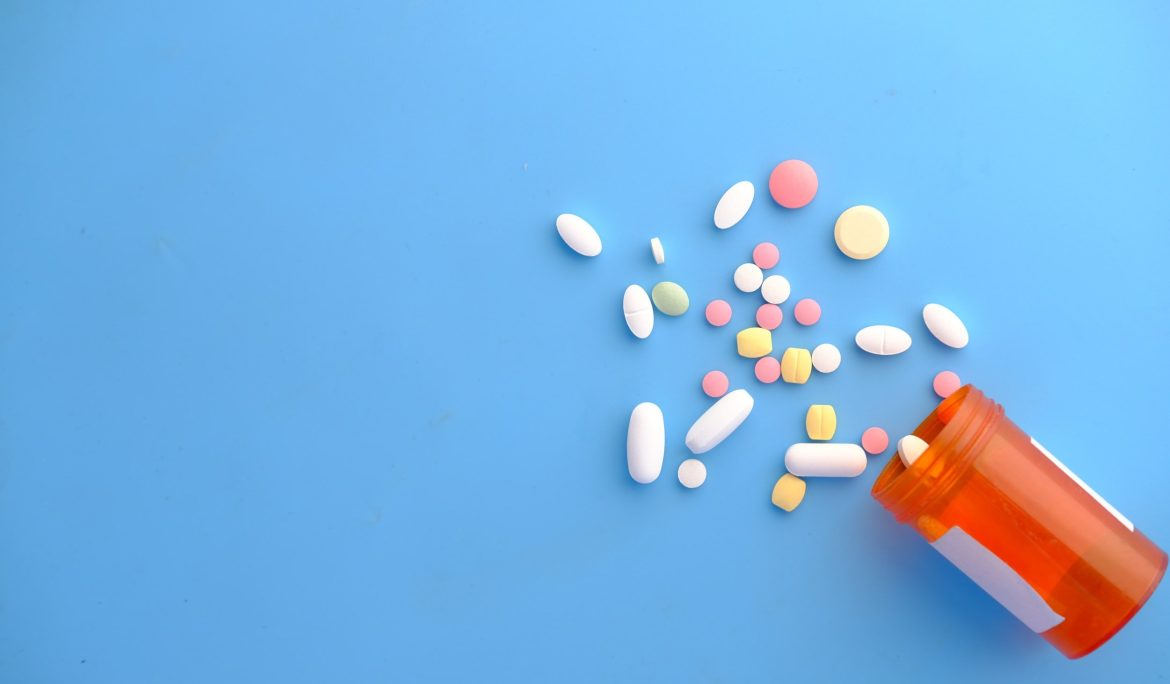
Antidepressants are the most common medications used for treating anxiety. Yup, antidepressants. First of all, when looking at the research literature, short-term trials show that antidepressants do NOT provide any clinically significant benefits for mild to moderate depression, compared to a placebo. In other words, they don’t work unless the depression is severe. They also do not appear to offer much long-term help for anxiety. There are anxiolytics, which are designed for anxiety, but they tend to be so sedative that they are usually a last resort.
All drugs have benefit-to-risk ratios, so if a drug is only as effective as a placebo in relieving symptoms, it really doesn\’t make sense to use it as the first line of defense, especially when you consider the side effects. And yet doctors all over America prescribe them as if they were just sugar pills! So to be clear anxiety is treated using antidepressant medications that do not work on the conditions of their indeed use. Let alone for other conditions such as anxiety.
But, it gets worse. Research into the long-term effects of antidepressants shows that patients are no longer really recuperating from their depressive/anxiety disorders as was the case with older versions of antidepressants with the advent of modern antidepressants, the depression appears to be lifting faster, but patients tend to relapse more frequently, turning what ought to have been a passing phase into an increasingly chronic state of emotional depression. Uh oh. Given that this is the state of the art, today one wonders why these new drugs are preferred over the old ones. Cheaper to make? More profit for big pharma?
Long-term studies now indicate that of people with major depression, only about 15 percent that are treated with an antidepressant go into remission and stay well for a long period of time. The remaining 85 percent start having continuing relapses and become chronically depressed. There isn’t good data on the impact of antidepressants on anxiety, but suffice to say it isn’t good either. Duh. You’re treating anxiety with a medication meant for depression that doesn’t even work well on depression, and in fact, appears to make it chronic. So it only makes sense to use these marvelous medications on anxiety, right?
Worst of all though, SSRIs have been shown to increase your risk of developing bipolar disorder depression. What? Anywhere from 25 to 50 percent of children who take an antidepressant for five years convert to bipolar illness. In adults, about 25 percent of long-term users convert from a diagnosis of unipolar depression to bipolar.
This is a serious concern because once you\’re categorized as bipolar, you\’re often treated with a potent cocktail of medications including an antipsychotic medication such as Abilify. These medications are the worst of the worst. Suffice it to say long-term bipolar outcomes are grim in the United States. For starters, only about 35 percent of bipolar patients are employed, so the risk of permanent disability is great. But another risk inherent with long-term use is that of cognitive decline. By that I mean dementia.
If antidepressants and other psychiatric drugs don\’t work and might make you worse, then what are your options? There are eight important strategies to consider if you are facing depression and anxiety. These strategies have nothing but positive effects and are generally very inexpensive to implement.
WHAT TO DO
-
Address your stress – Anxiety and depression are serious conditions, however, they are not \”diseases.\” Rather, they are signs that your body and your life are out of balance. This is so important to remember, because as soon as you start to view depression as an \”illness,\” you think you need to take a pill to fix it. In reality, all you may need to do is return balance to your life, and one of the key ways to do this is to identify the stressors in your life and become proactive in eliminating them. Therapy can really help do that and accelerate the process.
-
Exercise – If you have anxiety, or even if you just feel anxious from time to time, exercise is a MUST. Sometimes all you need to do is get outside for a walk. The research is overwhelmingly positive in this area, with studies confirming that physical exercise is at least as good as antidepressants for helping people who are depressed or anxious. One of the primary ways it does this is by increasing the level of endorphins, the \”feel-good\” hormones, in your brain, when you are working out. My anxious patients report feeling calm after a good workout.
-
Eat Clean – Polluted food causes problems on two fronts: It drives more free radicals which destroy the immune system and it lacks antioxidants which we must have to support the immune system. Without an intact immune system, we are vulnerable to disease processes that drive anxiety and depression. Avoid fructose and sugar in order to normalize insulin and leptin. If they are out of whack you are fighting a losing battle against the anxiety. Also, avoid additives like MSG and GMOs, like the plague that they are.
-
Meditation or yoga – Both have been shown to reduce anxiety. A sauna can also relax you or perhaps you need something very physical like a game of tennis or kickboxing. Try watching a funny movie, or something that makes you feel good. Avoid shoot ‘em up shows in favor of shows about heroes and strong family values.
-
Strong Support – Build a solid support system composed of friends, family, and, if necessary, professional counselors, who can help you work through your emotional stress.
-
Eat lots of the right fats – Coconut oil is at the top of my list and can be used to cook along with macadamia nut oil. In terms of supplements, a high-quality omega 3 krill oil is absolutely essential as is fermented Cod Liver oil, or green-lipped mussel, all of which have the right combination of vitamins K, A, D, and omega 3’s. We need to balance omega 6’s which we get too much of, with omega 3’s. See our Fat/Oil chart here.
-
Get plenty of sunshine – Making sure you\’re getting enough sunlight exposure to have healthy vitamin D levels is also a crucial factor in treating depression or anxiety. Vitamin D deficiency is actually more the norm than the exception and has previously been implicated in both psychiatric and neurological disorders.
-
Get a good night’s sleep – The body produces antioxidants if you are asleep from sundown to midnight. Antioxidants heal us and reverse aging. At midnight the body begins to produce free radicals again. So grandma was right “early to bed, early to rise, etc.”.
Come back tomorrow to find out what the long term effects of anxiety are and ways to help.