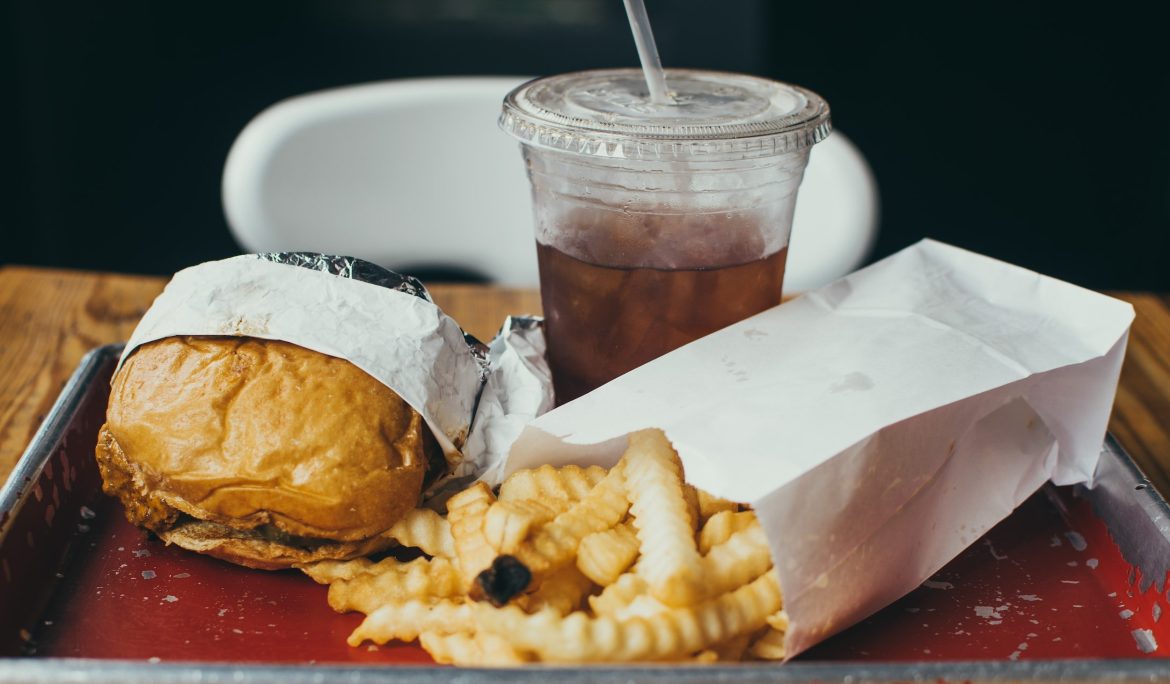
Many of my patients come to me after conventional treatments have failed, again and again, feeling as if they’re facing a no-win scenario. They are fighting a losing battle when they are in conventional treatment, as those in the eating recovery industry stipulate that“You should be able to eat all things in moderation.” Translation, All food is safe as long as you do not eat too much or too little of it.
Not true based upon what we know about the impact that polluted foods are having in the US. We are the most obese nation in the developed world with the most obese children and we are almost dead last when it comes to wellness (see references below). And yet, I have not found a single treatment facility that offers “clean” food to the individuals who need it most, people with eating disorders.
The current model is often one in which the patient must gain 20 pounds in 21 days. It would be difficult for a healthy person to do this let alone someone suffering from anorexia. It is easier to do when eating polluted foods which is what is being served. The question is why. Probably because that is when insurance runs out. It is also important to note that this “industry” is not regulated. There is no oversight. Maybe there should be.
Bottom line: If all you’re eating is polluted food, you are in a no-win scenario. Believe it or not, the obesity epidemic, as devastating as it is, is just the tip of the iceberg. The polluted foods we eat are ruining our lives in a variety of ways according to my Food Pollution Disorder Model. Here is how the model looks:

© 2022 Dr. J. Renae Norton. All rights reserved. Do not duplicate without permission.
Let\’s take an example:
POLLUTED FOODS ATTACK THE LIVER

The liver plays a significant role in protecting the body by detoxifying it. Here is how the liver works: it takes in a carcinogen or a pathogen, chews it up, and spits it back out in a non-toxic form. It’s like a little detox ninja.
When toxins that should remain in the gut leak into the bloodstream, they put a serious burden on the liver. These toxins can take the form of free radicals and carcinogens (dys-ruption), which the liver must detoxify. When the liver is overburdened (dys-regulation), organs can suffer damage (dys-function), and parts of the body can become cancerous.

© 2022 Dr. J. Renae Norton. All rights reserved. Do not duplicate without permission.
One drink that is particularly toxic to the liver is a diet soft drink. Many people turn to diet soft drinks as a way of limiting sugar. But this is like jumping from the frying pan into the fire, since diet soft drinks contribute to something called a fatty liver, which is a condition that can be life-threatening in the later stages. Over time fibrous tissues form as a result of drinking diet soft drinks, which can lead to liver cancer or cirrhosis.
This discovery helped me to understand why I was seeing Anorexic patients with cirrhosis of the liver who did not drink, let alone abuse, alcohol. What they did drink was a lot of diet soft drinks, the result being a full-on attack that put them in danger of liver failure.
Stay tuned for the next article in this series on how polluted foods attack the gut and the brain.
References
Centers for Disease Control and Prevention. (2022, September 24). Health Effects of Overweight and Obesity | Healthy Weight, Nutrition, and Physical Activity | CDC. Centers for Disease Control and Prevention. Retrieved September 27, 2022, from https://www.cdc.gov/healthyweight/effects
Holland, K. (2022, January 18). Obesity Facts in America. Healthline. Retrieved September 21, 2022, from http://www.healthline.com/health/obesity-facts
McGarvey, R. (2016, November 4). An obesity epidemic has hit the Baby Boomer Generation. TheStreet. Retrieved September 21, 2022, from https://www.thestreet.com/retirement/an-obesity-epidemic-has-hit-the-baby-boomer-generation-13880950
Monaco, K. (2020, December 11). Over 73% of U.S. adults overweight or obese. Medical News. Retrieved September 21, 2022, from https://www.medpagetoday.com/primarycare/obesity/90142
OECD (2021), Health at a Glance 2021: OECD Indicators, OECD Publishing, Paris, https://doi.org/10.1787/ae3016b9-en.