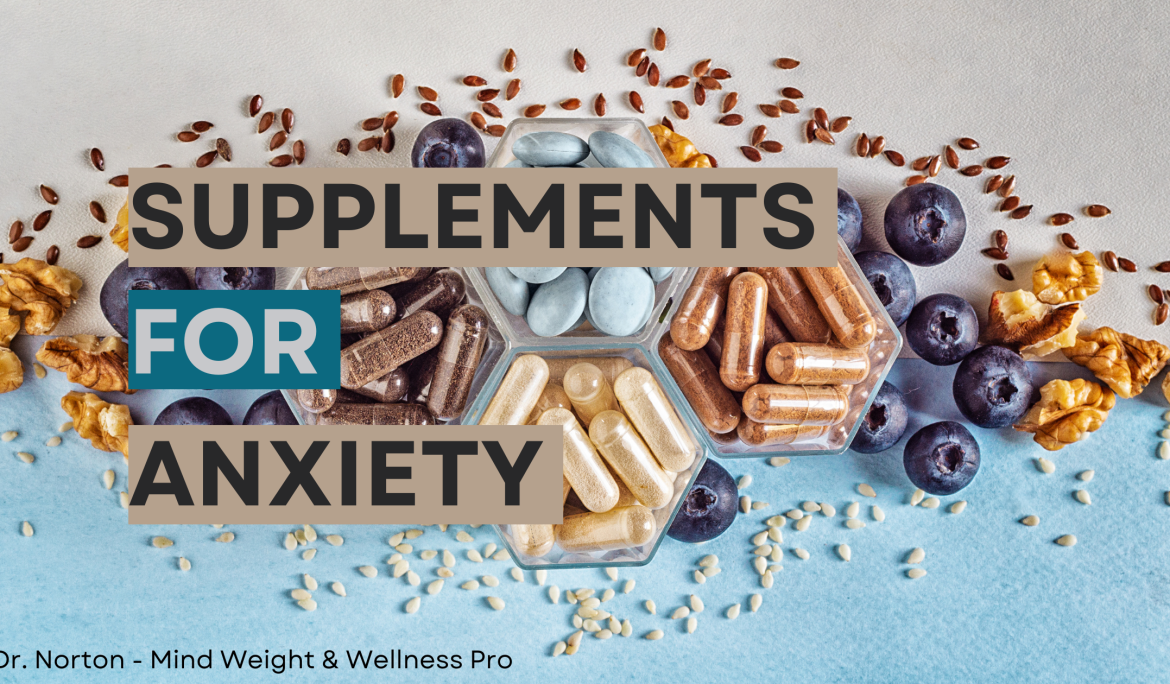
There are three things linked to anxiety that get better with supplements:
-
Low serotonin levels: While the role of serotonin is not completely understood, it has been found to play an important part in regulating mood and anxiety.
-
Low vitamin B6 levels: We need B6 to make serotonin. Low vitamin B6 levels ultimately lead to low serotonin.
-
Low iron levels: Like vitamin B6, iron is a necessary part of making serotonin.
The following supplements address these three variables:
-
GABA – Gamma-aminobutyric acid (GABA) is an amino acid and neurotransmitter located in the brain that is crucial to serotonin production. Because serotonin is one of the nervous system’s most powerful, “feel-good” neurotransmitters, GABA plays a significant role in mood regulation and relaxation. Follow manufacturer recommendations.
-
Passionflower – is a calming herb that is often used as a household treatment for anxiety. It promotes better sleep, positive moods and for many reduces anxiety.
You can consume it as an extract, a tablet or added into teas and tinctures.
-
Valerian Root – which has medicinal effects and has been around since the ancient Greeks, is best known as a sleep aid. But it also helps to reduce anxiety. Once ingested, valeric acids found within the herb convert to calming, “feel-good” neurotransmitters in the body, regulating stress and relaxing the body and mind. It is available in both capsule and liquid form. It is also available as a tea.
-
Licorice Root – which in addition to its sweet taste also carries health benefits for people with anxiety because of the effects it has on the adrenal glands. It is the adrenal glands that produce the stress hormone cortisol. Licorice helps regulate the production of cortisol, and thereby supporting the body’s defenses against stress and reducing anxiety symptoms.
Licorice root can also soothe gastrointestinal upset, which is common in many people with anxiety.
How to use it: The candy doesn’t actually have licorice root…sorry☺ The only way to ingest it therapeutically is Deglycyrhizinated licorice (DGL.) It is sold in capsule, powder, tea and chewable tablet forms.
-
Ashwagandha – which has been used in Ayurvedic medicine to combat the effects of aging, improve energy and reduce anxiety is my favorite. In natural medicine, the root is considered an “adaptogen,” or a compound that helps regulate the body’s natural processes and promote overall wellness and health. But I have found that it also improves mood and reduces anxiety symptoms more effectively than antianxiety meds.
How to use it: While the benefits of ashwagandha are gained by eating the fruit, seeds and shoots of the plant it is derived from, ashwagandha is most commonly consumed in capsule form.
-
Rhodiola – is also referred to as “golden root. It has a long history of medicinal use in traditional Chinese and Siberian medicine. Like ashwagandha, Rhodiola is considered an adaptogen, meaning that it promotes physical and mental health while improving mood and resilience to stress.
How to use it: Rhodiola is typically taken in capsule form. However, it is also available in extracts and teas.
Clean Food for Anxiety
It’s a well-established, scientific fact that what you eat can dramatically impact your mood. That is why I encourage everyone to eat 100% organic, grass-fed and wild caught food whenever possible. It really does make a huge difference. The gut is where 90% of the body’s serotonin lives and many US foods today attack the gut tearing holes in it causing a “leaky gut.”
The serotonin leaks out and we get anxious. Nutritional deficiencies can and do exacerbate mental health disorders, while a nutritionally complete diet can help alleviate symptoms.
There are several vitamins that have a direct and very positive impact:
-
Omega-3 Fatty Acids
Fish oils contain omega-3 fatty acids, which make up the basic building blocks of the brain and nervous system. These acids are essential for cognitive functioning as they improve symptoms of depression, which is often closely linked with anxiety disorders.
Foods that have them: These brain-boosting molecules are found in many fish species, including salmon, tuna, mackerel, lake trout, herring, sardines and anchovies.
-
Probiotics
Probiotics are microorganisms which have been known to benefit the digestive system have also been shown to have a profound impact on mental health. A healthy balance of bacteria in the body can boost the body’s ability to cope with stress, improve overall mental health and bolster cognitive functioning.
Foods that have them: Probiotics are found in a wide variety of foods and drinks, particularly those created through fermentation. Some of the most common sources include sauerkraut, yogurt, kimchi, tempeh, kombucha, miso and pickles.
-
B Vitamins
B vitamins are essential to a healthy nervous system functioning. They play a key role in various aspects of mental health, including attention, energy and cognition. They can also significantly impact two key aspects of anxiety symptoms: stress management and mood. Because of these benefits, many people incorporate B vitamins into their diet for anxiety.
Foods that have it: While B-complex supplements contain a broad range of essential B vitamins, they are also found in a wide variety of foods, including wild salmon, shrimp, tuna, halibut, yogurt, eggs, cheese, lamb, venison, turkey, grass-fed beef, carrots and green, leafy vegetables.
-
L-Theanine
L-theanine is an amino acid that can improve focus, reduce stress and promote relaxation
Foods that have it: L-theanine can only be found in a few foods and drinks, including black tea, green tea and bay bolete mushrooms.
Formal Treatment
There are several forms of treatment that I have found to be very effective when dealing with anxiety. Dialectical behavioral therapy, relaxation techniques, and mindful breathing are among the most effective.
When to Seek Help
If you do not see improvement in your child or teen’s anxiety, it may be time to seek additional support from a professional. Please contact Dr. Renae Norton: Family Therapy at 513-205-6543.