In the last couple of articles, I have talked about the relationship between anorexia, anxiety, cortisol levels and bone health. Now it’s time to talk about how you repair the bone loss or prevent it from happening in the first place.
Obviously, the first thing is a proper diet and by that, I mean as clean as possible i.e. all organic whenever possible, wild-caught and not farm-raised, and minimally processed. By “minimally processed” I mean you start with whole ingredients like fresh fruits and vegetables. In other words, you want to eat food that came out of the ground or had a mother, not foods that came out of a box, a bag, a bottle, or a carton.
Let\’s Talk About Calcium
A diet rich in calcium is important for healthy bones. Unfortunately, it is not possible to supplement with calcium. The research is pretty clear; it is more likely to have a negative effect than a positive effect. What you can do is eat foods that are rich in calcium. Good sources of calcium include grass-fed dairy products and dark green or leafy vegetables.
Avoid most foods fortified with calcium, as again, such calcium has actually been shown to be detrimental rather than healthy.
Vitamin D3
Because Vitamin D plays such an important role in calcium absorption and bone health, getting enough of the right type of vitamin D is of critical importance. The best source of vitamin D3 comes from sunlight on your skin. This is the sulfated version of vitamin D3 which is the most important vitamin D we can get.
Far too many people believe that the sun is dangerous. Too much of it is. But we need vitamin D3 that is sulfated and we can only get that from sunlite on our skin. The safest way to get such vitamin D3 is to sit out in the sun with as much skin as possible exposed and just allow the sun to pink your skin. This may take 10 minutes for some people or a half an hour for other people but you should just barely be able to see a tan line. Sitting out too long, or burning your skin has the opposite effect.
There are times of the year when you can get this sulfated version of vitamin D and other times when you cannot. An awesome app called Dminder tells you what’s what.
To be clear, this is the only sulfated version of vitamin D3 you can get unless you eat raw butter from a grass-fed cow or human breast milk. I highly recommend getting sunlight during the times of the year when the sulfated version of vitamin D is available in your part of the world, which is what the app will tell you. When sulfated sunlight is not available, you can use a vitamin D3 lamp by Sperti.
Food sources of vitamin D that are not sulfated include egg yolks, saltwater fish, and liver.
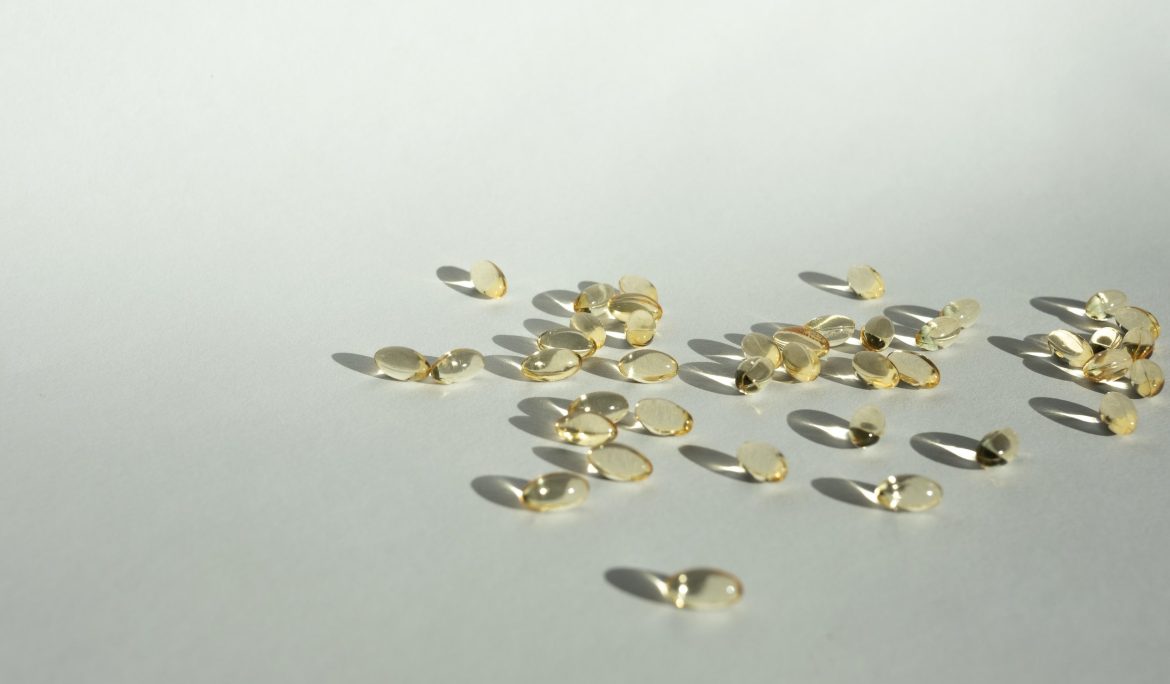
Many people may need vitamin D supplements to achieve the recommended intake of 600 to 800 International Units (IU) each day. For those individuals suffering from osteopenia, you will need more vitamin D. Check with your functional doctor to get the exact amount needed based on your bloodwork. If you are supplementing with vitamin D3 try to choose one that is organic and that does not have magnesium stearate or sodium dioxide.
Vitamin K2
Vitamin K2 is often overlooked, which is a shame, because it’s very important. Especially when it comes to good bones. It supports bone health by modifying osteocalcin, a protein involved in bone formation. K2 basically enables osteocalcin to bind to minerals in bones, making sure the bones have enough calcium. This is critical to the formation and maintenance of strong bonds!
The two most common forms of vitamin K2 are MK-4 and MK-7. MK-4 exists in small amounts in liver, eggs and meat. Fermented foods like cheese, sauerkraut and a fermented soybean product called natto contain MK-7. I take a supplement that has both vitamin D3 and K2 in it.
Vitamin C
Vitamin C stimulates the production of bone-forming cells so it is right at the top of the list. In addition, some studies suggest that vitamin C’s antioxidant effects may also protect bone cells from damage.
Fruits and Vegetables are great for your bones in part because of the vitamin C. Vegetables also seem to increase bone mineral density. A high intake of green and yellow vegetables has been linked to increased bone mineralization during childhood and the maintenance of bone mass in young adults.
Eating lots of vegetables has been found to especially benefit older women. A study in women over 50 found those who consumed onions most frequently had a 20% lower risk of osteoporosis, compared to women who rarely ate them. I hate onions…..but I eat them 🙂
Collagen
We can’t talk about healthy bones without talking about collagen. I think this is perhaps the most important thing you can do for your bones. A good collagen powder comes from 100% grass-fed beef. There are several different types of collagen. For your bones you want type I and type III. I source mine from Garden of Life. It has drastically improved both my bone health as well as my hair, skin and nails.
Protein
Getting enough protein is important for healthy bones. In fact, about 50% of bone is made of protein.Researchers have reported that low protein intake decreases calcium absorption and may also affect rates of bone formation and breakdown. On the other hand, concerns have also been raised that excessively high protein diet‘s leach calcium from bones in order to counteract increased acidity in the blood. The trick is balance. Eat protein with leafy green vegetables and fruits. The collagen above is a great source of very clean, very healthy protein.
Exercise
Like muscle, bone is living tissue that responds to exercise by becoming stronger. The best activities for your bones are weight-bearing and resistance exercises. Weight-bearing exercises force you to work against gravity. They include walking, climbing stairs, and dancing. Resistance exercises – such as lifting weights – will also strengthen bones.
For individuals recovering from anorexia, it is critical to start slow and work up so as not to fracture existing bones by overdoing it.
Healthy lifestyle
Obviously we have to avoid things that damage the body such as smoking, and alcohol. Both of these guys attack various parts of the body that are needed for good health and strong bones. Alcohol specifically can have a very negative effect on bone health. Those who drink heavily are more prone to bone loss and fracture, because of both poor nutrition and increased risk of falling.
To determine the state of your bones currently I recommend a bone density test (BMD) which measures bone density in various parts of the body. This safe and painless test can detect osteoporosis before a fracture occurs and can predict a person’s chances of fracturing in the future. I also recommend a bone mineral test. Since bone problems begin with osteopenia and progress to osteoporosis it is better to know. The first one is reversible, while the second one is not.
If you need help with your bones contact me at (513) 205-6543. I am the Eating Disorder Pro and I can help.