Coronary Artery Disease Part 2
By:
Dr. Renae Norton
In the previous articles, we looked at coronary artery disease, and we looked at the lifestyle issues that can cause heart disease. In this article, we will look at some of the other common conditions and/or issues when it comes to the heart.
ARRHYTHMIAS
Another very common form of heart disease is arrhythmias.It is basically just what it sounds like in as much as the heart may beat too quickly, too slowly or irregularly.
Heart arrhythmia symptoms can include:
- Chest pain or discomfort
- Dizziness
- Fainting or almost fainting
- Fluttering in the chest
- Lightheadedness
- Racing heartbeat
- Shortness of breath
- Slow heartbeat
Congenital Heart Defects
A congenital heart defect is a heart condition present at birth. Serious congenital heart defects usually are noticed soon after birth. Congenital heart defect symptoms in children could include:
- Blue or gray skin. Depending on skin color, these changes may be easier or harder to see.
- Swelling in the legs, belly area or areas around the eyes.
- In an infant, shortness of breath during feedings, leading to poor weight gain.
Some congenital heart defects may not be found until later in childhood or during adulthood. Symptoms may include:
- Getting very short of breath during exercise or activity.
- Easily tiring during exercise or activity.
- Swelling of the hands, ankles or feet.
Cardiomyopathy
Heart disease symptoms that are caused by a diseased heart muscle are called cardiomyopathy. In the beginning, cardiomyopathy may not cause noticeable symptoms and is therefore often overlooked. As the condition gets worse, symptoms may include:
- Dizziness, lightheadedness and fainting
- Fatigue
- Feeling short of breath during activity or at rest
- Feeling short of breath at night when trying to sleep, or waking up short of breath
- Rapid, pounding or fluttering heartbeats
- Swollen legs, ankles or feet
Heart Valve Disease
The heart has four valves. The valves open and close to move blood through it. Many things can damage the heart valves. If a heart valve is narrowed, it’s called stenosis. If a heart valve lets blood flow backward, it’s called regurgitation.
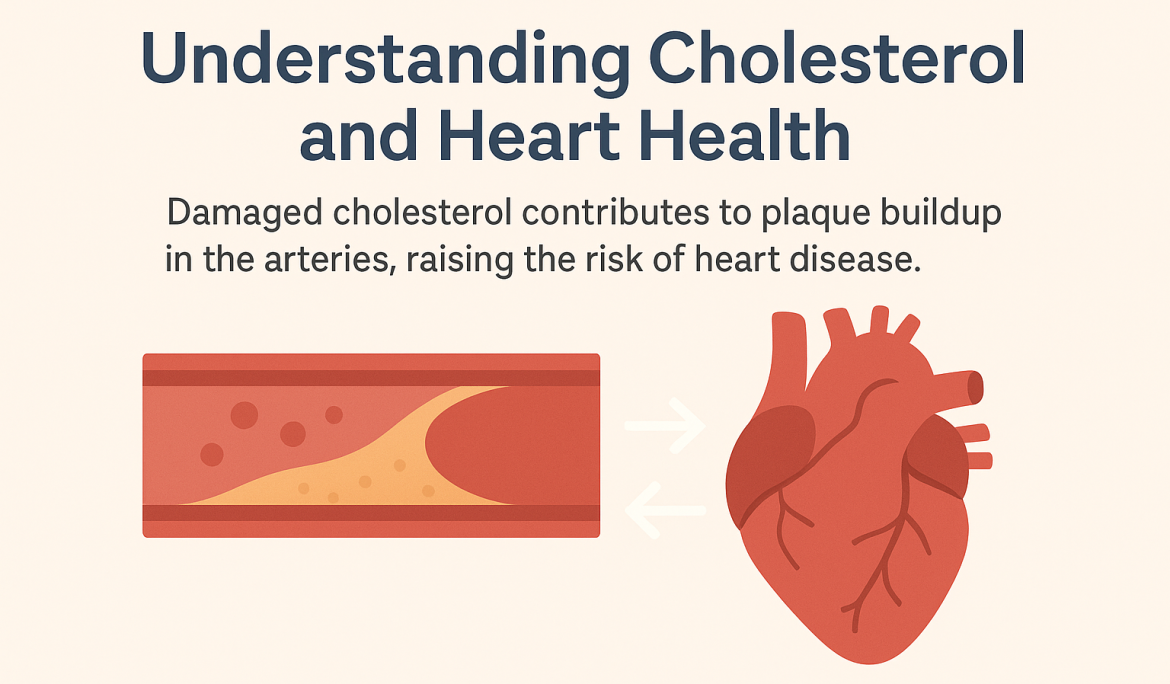
“Healthy” cholesterol has large molecules that just bounce through the arteries, veins and capillaries. . “Unhealthy” cholesterol has tiny sticky molecules that get stuck and clog our arteries and veins.
How do they get damaged? They get damaged when we eat too much sugar, unhealthy fats or foods that have been sprayed with insecticides and/or herbicides…. in other words, almost all of the food that isn’t organic in the US marketplace.
Then we have HDL cholesterol, which is the “Good” cholesterol. The higher your HDL cholesterol, the healthier you are. The same things that damage the LDL cholesterol, cause the HDL cholesterol to go down…. i.e. there is actually less of it. My working theory is there’s no room for it because the LDL levels are so high.( I doubt that that’s accurate, but ill keep you posted. 🙂
Symptoms of heart valve disease depend on which valve isn’t working right. Symptoms may include:
- Chest pain
- Fainting or almost fainting
- Fatigue
- Irregular heartbeats
- Shortness of breath
- Swollen feet or ankles
When to see a doctor
Get emergency medical help if you have any of these heart disease symptoms:
- Chest pain
- Shortness of breath
- Fainting
Always call 911 or your local emergency number if you think you might be having a heart attack.If you think you may have symptoms of heart disease, make an appointment for a health checkup.
Heart disease is easier to treat when found early. But more importantly, it’s much better to prevent it. And you can do that in many cases by changing the way you eat and the quality of the food that you eat and getting regular exercise .
If you are struggling with obesity and/or if you don’t know how to achieve a healthy lifestyle, please reach out to me. I am the Mind Weight Wellness Pro and I am here to help. Call me at 513-205-6543.