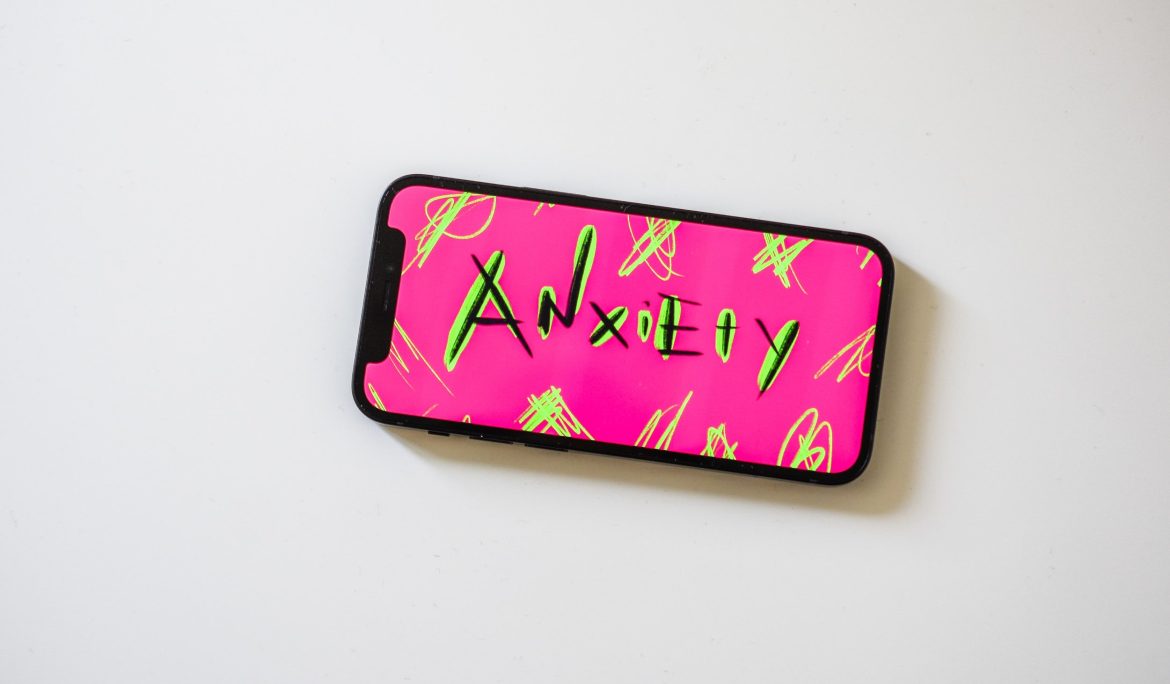
In honor of Mental Health Awareness Month, we are going to take a look at anxiety disorders. We will explore why they are so common, their relationship to eating disorders, and how you can prevent them from taking over your life. In view of the fact that anxiety disorders in the U.S. appear to be getting worse, understanding how and why they develope is important.
According to Wikipedia, anxiety is an emotion characterized by an unpleasant state of inner turmoil that includes unpleasant feelings of dread over anticipated events that may or may not ever happen. Ok.
My take on anxiety is that it is a biological response to a hostile environment in which pollutants attack the parts of the body that regulate mood, especially the brain and the gut. It is terrifyingly uncomfortable because it does not have a focus. Fear is focused, which makes it less uncomfortable for most people. In the case of eating disorders, for example, fear of gaining weight is easier to deal with than unfocused anxiety because it has a solution; stop eating, or stop overeating. But anxiety is unfocused – it has no obvious solution, rendering its victims helpless.
Where Is All The Anxiety Coming From?
Leaky gut. That’s right. You have heard me talk about Leaky Gut many times, but a quick review: The US food supply is polluted with things that attack our collective gut. We have always had carcinogens, heavy metals, contaminants, and allergens to contend with in the food supply. The difference is that now we not only have polluted foods but the pollutants in our foods are highly addictive. Which means that we eat a lot of them.
The more we eat the more damage these pollutants do. For example, polluted food does three things that may account for the escalation in anxiety in the U.S.:
-
It attacks the gut – 90% of serotonin, which is the neurotransmitter that regulates mood, is in the gut. When it leaks out we are going to experience anxiety. Given how polluted U.S. foods are it is no surprise that we have an epidemic of anxiety in this country where we consume more polluted food than almost any other country on earth. As a result, anxiety is at an all-time high nationwide.
-
It attacks the brain – Polluted food damages the parts of the brain that regulate eating behavior, primarily via the endocrine system, resulting in food addictions, overeating, and specific food cravings. All of these conditions tend to make anxiety worse. The result is dieting, restricting, overeating, bingeing and purging, unwanted weight gain and its complications, and unhealthy weight loss and its complications. So more anxiety.
-
It attacks the liver – When toxins that should remain in the small intestine leak into the bloodstream, they put a serious burden on the liver, which is the organ responsible for managing the body’s toxins. These toxins can take the form of free radicals and carcinogens when the liver is overburdened, resulting in damaged organs and/or various types of cancer. Anxiety on steroids (literally and figuratively).
The upshot is that we end up with disorders that develop slowly, become chronic and drive diseases that can be life-threatening, all of which makes for a life filled with anxiety. They present with a fairly broad spectrum of symptoms, some of which are actually conditions themselves. The early signs of what I am calling Food Pollution Disorder make it less likely that we will identify the causes and more likely that we will treat only the symptoms.
Of course, treating the symptoms often leads to a worsening of the problem, causing more anxiety, and creates a self-perpetuating vicious cycle that ultimately ends up damaging organs and systems permanently. In other words, they progress from dis-ruption to dys-regulation to dis-ease. The medical community generally does not respond until we achieve a disease state, and even then it does not treat the cause, it treats the symptoms, making recovery less likely.
If you have some of the following symptoms you could be experiencing Leaky Gut Syndrome:
-
Mood swings & anxiety
-
Abdominal pain after eating
-
Asthma or allergies
-
Chronic joint and muscle pain
-
Confusion or foggy thinking
-
Recurrent vaginal and bladder infections
-
Skin rashes such as eczema
-
Bloating and gas, alternating constipation with diarrhea (usually referred to as IBS)
Some causes of Leaky Gut Syndrome are:
-
Prescription antibiotics use
-
Alcohol and caffeine consumption
-
Chemicals in fermented and processed foods (dyes, preservatives, peroxidized fats)
-
Enzyme deficiencies (e.g. celiac disease, lactase deficiency causing lactose intolerance)
-
NSAIDs (non-steroidal anti-inflammatory drugs) like ibuprofen
-
Prescription corticosteroids (e.g. prednisone)
-
Highly refined carbohydrate diet (sugary foods, soft drinks, and white bread)
-
Prescription hormones
Stay tuned to find out why anxiety treatment is not working.