In an article in 2022 in the New York Times entitled ‘It’s Life or Death’: The Mental Health Crisis Among U.S. Teens writer Matt Rictel made some convincing arguments as he examined the increase in anxiety, depression, self-harm, and suicide among U.S. adolescents. At the time we were still feeling the effects of COVID. His position was that the pandemic was triggering the steep decline in the psychological well-being of US teens, especially girls. While I completely agreed that the pandemic had triggered a strong reaction, as I was seeing a significant uptick in anxiety disorders as a practicing psychologist, I also felt that the problem went a bit deeper.
For the past ten years, I had been seeing a steady rise in the number of teens whose self-esteem was tied directly to their time on social media. Well, today, in May of 2023, on national TV, the Surgeon General, Vivek Murthy brings the problem home as he issues a warning that social media is the main contributor to depression, anxiety, and suicide risk among today’s teens, especially teenage girls.
The report, which was released Tuesday, May 17, 2023, calls attention to growing concerns about the effects of social media on the mental health of US adolescents.
Murthy calls youth mental health “the defining public health issue of our time” I could not agree more.
Let’s look at a few of the more compelling stats from his report:
-
According to the report, Up to 95% of teens between the ages of 13 and 17 say they use a social media platform. About a third say they\’re scrolling, posting, or otherwise engaged with social media \”almost constantly.\” If you have children or, as I do, grandchildren, you know the truth of this.
-
The report links social media use and poor mental health in adolescents, referencing a 2019 study that found teens who spent more than three hours a day on social media \”faced double the risk of experiencing poor mental health outcomes, including symptoms of depression and anxiety.”
-
As of 2022, students in grades 8 – 10 said they spent an average of three hours and 30 minutes on social media platforms.
One of the first things I do, when I have an adolescent who is suicidal, is to ask how much time they are spending on social media. The answer is usually every spare moment. When I ask how it makes them feel, they admit that they suffer from extreme FOMO (Feelings of Missing Out) as well as feelings of inadequacy. When I suggest that they cut back or, heaven forbid, discontinue using social media, given the fear and anxiety the activity causes, they are horrified by the idea. This reaction is valuable prognostically, in as much as the ones who can stop surfing social media are much more likely to recover.
It’s as if social media is their only link to the rest of the world and without it, they would be disconnected devastatingly. It reminds me of the astronaut movies where they go outside the ship on a rope that breaks and they float off into space never to be seen again. The idea of not being on social media triggers intense fear of being disconnected and socially alienated. The pull of social media is so intense for most users that it has the feel of an addiction.
Matt Richtel, who spent more than a year interviewing adolescents and their families concluded that American adolescence is undergoing a drastic change. He points out that three decades ago, the gravest public health threats to teenagers in the United States came from binge drinking, drunk driving, teenage pregnancy, and smoking. These have since fallen sharply, replaced by a new public health concern: soaring rates of anxiety and depression and increased incidence of suicide.
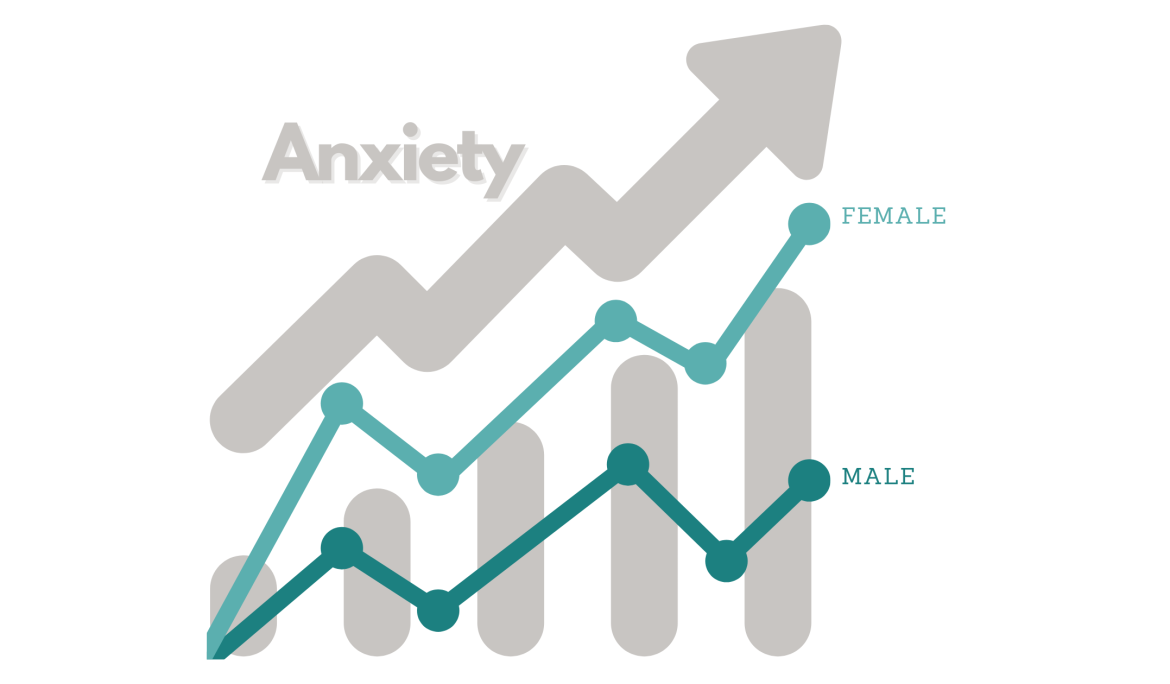
According to the Centers for Disease Control, in 2019, 13 percent of adolescents reported having a major depressive episode. This represented a 60 % increase from 2007. Emergency room visits by children and adolescents also rose sharply for anxiety, mood disorders, and self-harm during that same period. Finally, for people from 10 to 24, suicide rates, which were stable from 2000 to 2007, rose 60 percent!
For children of color, the stats are even worse.
As a family therapist and someone well-versed in the treatment of anxiety and depression, I have dedicated myself to treating this population using a family systems-based approach. Stay tuned for my next article on the positive impact that a family systems-based approach can have.