Anorexia nervosa is an eating disorder characterized by irrational fears regarding weight gain, body fat, and body size. I view anorexia as an anxiety disorder with a focus, that being to restrict calories in order to minimize one’s weight as much as possible.
The disorder is associated with significant health problems. In fact, anorexia has the highest death rate of any other emotional disorder. Individuals suffering from anorexia will do anything to protect their disorder, often doing great damage to their body’s in the process. It is for this reason that it is by far one of the most difficult emotional problems to treat as the patient does not initially wish to recover no matter what the cost.
The health problems such individuals experience put additional pressure on the therapist to ensure that her patient recovers. Many individuals treating the psychological aspects of this disorder are unaware of the medical complications such as osteoporosis. It is very important that loved ones and practitioners know about this connection. Without this information, the eating disorder can do irreparable harm even if the patient does recover.
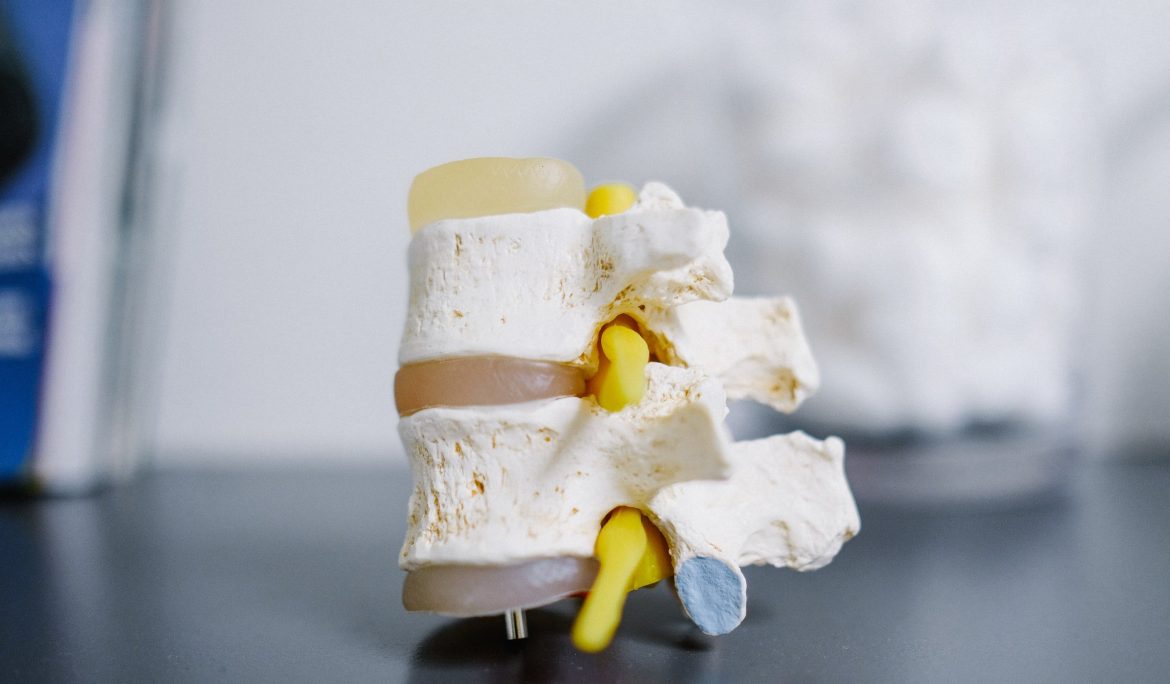
One of the most damaging medical problems associated with anorexia is osteoporosis. It often begins with osteopenia, which can be reversed, but which, if not treated, progresses to osteoporosis, which is irreversible.
Why is this a problem? Let’s take a look at what it means to have osteoporosis as a 30-year-old.
What is Osteoporosis?
According to the folks at NIH (bones.NIH.gov) Osteoporosis is a condition in which the bones become less and less dense and more likely to fracture. Fractures from osteoporosis can result in significant pain and disability.
General risk factors for developing osteoporosis include:
-
Thinness or small frame.
-
Family history of the disease.
-
Being postmenopausal and particularly having had early menopause.
-
Abnormal absence of menstrual periods aka amenorrhea, which is one of the early signs of Anorexia.
-
Prolonged use of certain medications, such as those used to treat lupus, asthma, thyroid deficiencies, and seizures.
-
Low calcium intake.
-
Lack of physical activity.
-
Smoking.
-
Excessive alcohol intake.
In reviewing the list above, it is obvious that Osteoporosis can be prevented. Unfortunately, it is often under-diagnosed or not diagnosed at all until a significant amount of bone loss has occurred. Part of the problem is that when it goes undetected the bone loss can be significant before symptoms occur. In fact, the first symptom is all too often a bone fracture.
Osteoporosis has been called “a childhood disease with old age consequences” because building healthy bones in one’s youth helps prevent fractures later in life. This is where the anorexia comes into play in as much as most individuals suffering from anorexia are adolescents. I find in my practice that the onset of the anorexia tends to be earlier these days, and to last longer, sometimes well into the individual\’s senior years.
The connection between anorexia and osteopenia or osteoporosis is pretty straightforward. Individuals restricting as much food as possible and especially foods high in vitamins D and calcium, such as dairy, are at great risk. Anorexia nervosa has significant physical consequences. Extremely low body weight in females can cause the body to stop producing estrogen, resulting in a condition known as amenorrhea, or the absence of menstrual periods. In the list above loss of menses is a risk factor.
Another variable that most people are not aware of is that individuals with anorexia often produce excessive amounts of the adrenal hormone cortisol. Remember I said above that I see anorexia as an anxiety disorder. Individuals with anorexia have extreme amounts of anxiety which is, I believe, the reason they focus on restricting. It is something that gives them focus and something that they are good at which relieves some of that anxiety.
Cortisol is also known as the fight or flight hormone. It’s what you are experiencing when you get very upset and or when you have that adrenaline rush. Turns out that high levels of cortisol also trigger bone loss.
Finally, low body weight which causes calcium deficiency, and malnutrition, also contributes to bone loss in girls and women with anorexia.
For males suffering from Anorexia, weight loss, restricted dietary intake, and testosterone deficiency may be responsible for the low bone density that is common in the male Anorexic population.
Stay tuned for suggestions on rebuilding and protecting your bones whether or not you suffer from anorexia.