Seasonal affective disorder, or SAD, is a type of depression. What makes it different from other forms of depression is that it typically is confined to fall or winter. It appears that shorter days with less daylight may trigger a chemical change in the brain leading to this depressive disorder.
In this article, I will discuss how SAD, melatonin, and sleep hygiene are connected and why it is critical for everyone to understand that connection.
Let’s start with SAD, a unique form of depression that is linked to a season, thus the name “seasonal” affect disorder. It is easy for people to get confused about just feeling sad vs being depressed. Sadness is part of life from time to time. Depression is different in that it results in psychological dysfunction. When It comes to being confusing it doesn’t help that SAD and feeling sad are spelled the same LOL.
Another issue is that we often feel guilty for being depressed, so it is important to note that depression is not a sign of personal weakness. And it doesn’t just go away on its own. It is a psychological disorder that requires the help of a qualified professional.
Here are a few general things about SAD, which again is a very specific version of depression:
-
Women are affected more often than men.
-
It usually starts during adulthood and is rare in people under the age of 20. However, the risk of SAD increases with age.
-
Without treatment, SAD can last weeks or months. Many people experience it year after year.
-
Most people with SAD respond well to light therapy, psychotherapy, or a combination of the two.
-
Some of my patients have done very well with supplements and exercise.
-
For those who do not respond well to the above, medication may be the last option. Many of my patients have had good results with Wellbutrin.
How do I know if I have it?
The following are the most common symptoms of SAD:
-
Increased sleep and daytime drowsiness
-
Loss of interest and pleasure in activities formerly enjoyed
-
Social withdrawal and increased sensitivity to rejection
-
Irritability and anxiety
-
Feelings of guilt and hopelessness
-
Fatigue, or low energy level
-
Decreased sex drive
-
Decreased ability to focus or concentrate
-
Trouble thinking clearly
-
Increased appetite, especially for sweets and carbohydrates
-
Weight gain
-
Physical problems, such as headaches
Are there different types of SAD?
Yes, there are actually two types of SAD:
-
Fall-onset – This is also called \”winter depression.\” Symptoms of depression begin in the late fall to early winter months and ease during the summer months.
-
Spring-onset – This is also called \”summer depression.\” Symptoms of depression begin from late spring to early summer. This type is much less common.
Possible Causes of SAD
In regards to fall-onset SAD, shorter days and less sunlight seem to be the cause. However, melatonin, a sleep-inducing hormone, has also been linked to SAD. The body naturally makes more melatonin when it\’s dark. So, when the days are shorter and darker, and more melatonin is made, it makes people feel sleepy. Sometimes the sense of being sleepy is mistaken for depression and/or fatigue. If this leads to less activity and especially if it leads to napping, we have a problem because now we’re not sleeping well at night. And if we don’t sleep well at night, we don’t function well during the day.
When it comes to spring-onset SAD, the theory is that the longer days of summer and thus the brighter evenings can also affect our ability to fall asleep. Hence spring-onset SAD.
I do not believe I suffer from SAD. However, I do have much more trouble falling asleep in the summer when it is still light out at 9:00 p.m. than I do in the winter when it is dark at 6:00 p.m. I am naturally an early riser. In the summer I wake up around 5:00 a.m. But in the winter I wake around 4:00 in the morning. Despite that, I get more sleep in the winter, because I am naturally asleep by 8:30 or 9:00. Whereas in the summer I may not be able to fall asleep until 9:30 or 10:00. So maybe a very mild care of spring/summer SAD.
Many of my patients stay up until 1:30 or 2:00 am and then sleep in until 10:00 or 11:00 a.m. We will see why this is a problem in a moment. My grandmother always told me “Early to bed, early to rise makes a person happy, healthy and wise”. She was so right.
Melatonin, SAD, and Sleep Hygiene
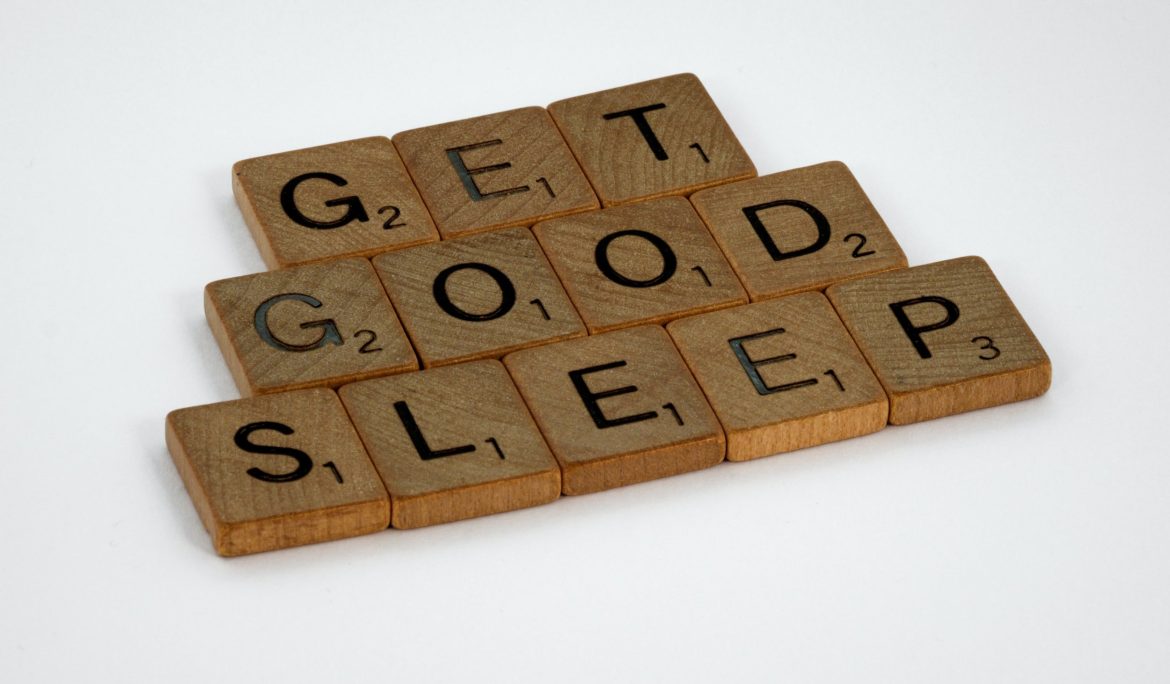
Sleeping is critical to our well-being both psychologically as well as medically. For example, an interesting thing about sleeping is that the body creates free radicals (the little demons that age us and cause disease) pretty much all the time, except for one period of the day…..That period is from sundown to midnight, if, and this is a big if, you are sleeping. If you are not sleeping, your body goes right on making those free radicals, which age you and put you at risk for medical and possibly psychological problems. This is why good sleep hygiene is so critical because if you are sleeping between sundown and midnight, your body stops making free radicals, and the sleep becomes restorative.
I have found that people who stay up late at night are much more at risk for SAD than people who get a good night\’s sleep. I think there may be a connection. It makes sense because their bodies never stop making free radicals, which means they are aging faster and more at risk for disease.
So I recommend melatonin for folks with SAD, not only because it really helps them sleep but because it has been shown to reverse the aging process and to provide protection from illness. I believe this protection is the result of getting at least some sleep before midnight when the body is not producing free radicals, such that the sleep actually does rejuvenate us. That has certainly been my experience.
Come back next week to find out how SAD is treated and what you can do about it at home.